

Introduction
Understanding sinking funds vs emergency funds explained in a simple way can completely change how you manage money and avoid financial stress. Many beginners confuse these two saving strategies, but they serve very different purposes in personal finance. When used correctly, they help you stay prepared for both planned and unexpected expenses without relying on debt. Sinking funds vs emergency funds explained is not just about saving money; it is about building financial discipline and long-term security.
A sinking fund is used for planned expenses like buying a car, vacations, or annual bills, while an emergency fund is meant for unexpected situations like medical bills or job loss. Although both involve saving money, their goals and usage are completely different. By understanding sinking funds vs emergency funds explained in detail, you can take control of your finances more effectively and reduce financial anxiety.
In this guide, you will learn how both systems work, why they are important, and how to build them step by step. This article will also cover common mistakes, expert tips, and practical examples to help you apply these concepts in real life.
What is Sinking Funds vs Emergency Funds Explained?
Sinking funds vs emergency funds explained refers to two different financial saving strategies used for managing money wisely and avoiding debt. A sinking fund is a savings method where you set aside a small amount of money regularly for a specific future expense. For example, if you know you will need to pay school fees, holiday expenses, or buy electronics, you gradually save for them over time.
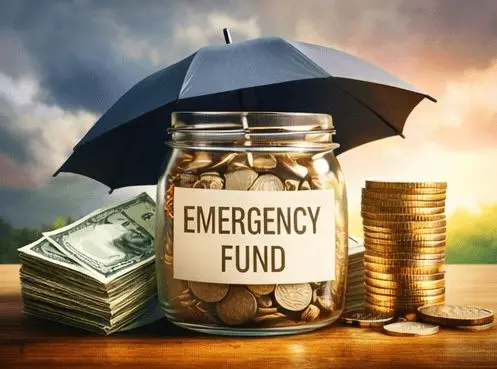
On the other hand, an emergency fund is money saved for unexpected financial emergencies. These include sudden medical expenses, urgent home repairs, or job loss. Unlike sinking funds, emergency funds are not planned and should only be used when something unplanned happens.
The main difference in sinking funds vs emergency funds explained lies in purpose and predictability. Sinking funds are for planned goals, while emergency funds are for surprises. Both are essential for a strong financial foundation, especially for beginners who want to avoid debt and financial stress.
Why is Sinking Funds vs Emergency Funds Explained Important?

Sinking funds vs emergency funds explained is important because it helps people understand how to manage both planned and unexpected expenses without financial pressure. Without these savings strategies, most individuals rely on credit cards or loans, which often leads to debt.
Having both funds ensures financial balance and stability. Sinking funds allow you to enjoy life events like travel or shopping without guilt or stress because you have already saved for them. Emergency funds, however, protect you from sudden financial shocks that can disrupt your life.
Another reason sinking funds vs emergency funds explained is important is that it builds financial discipline. It teaches you to plan ahead and prepare for future needs while also staying ready for emergencies. This combination reduces financial anxiety and increases confidence in money management.
Detailed Step-by-Step Guide
Step 1: Identify Your Financial Goals
Start by listing all upcoming expenses. These may include vacations, gifts, insurance, or car maintenance. These will go into your sinking funds category.
Step 2: Calculate Monthly Savings
Divide each goal into monthly contributions. For example, if you need $600 in 6 months, save $100 per month.
Step 3: Build Your Emergency Fund First
Before focusing heavily on sinking funds, aim to build at least 3–6 months of living expenses in your emergency fund.
Step 4: Separate Accounts
Keep sinking funds and emergency funds in different accounts to avoid confusion and accidental spending.
Step 5: Automate Savings
Set automatic transfers to ensure consistency and discipline in saving both funds.
Benefits of Sinking Funds vs Emergency Funds Explained
- Helps avoid debt by planning expenses in advance
- Reduces financial stress and uncertainty
- Improves budgeting skills and discipline
- Provides financial security during emergencies
- Allows guilt-free spending for planned events
- Builds long-term financial stability
- Encourages better money management habits
Disadvantages / Risks
- Requires consistent discipline to maintain savings
- May feel slow to build wealth at first
- Emergency funds can be tempting to misuse
- Inflation may reduce purchasing power over time
- Mismanagement can lead to confusion between funds
Common Mistakes to Avoid
One common mistake is mixing sinking funds with emergency funds. This leads to confusion and misuse of money. Another mistake is not prioritizing emergency savings first, which leaves you vulnerable during crises.
Many people also underestimate their expenses and save too little, which creates financial gaps later. Some individuals stop contributing once they reach a small goal, which weakens long-term financial stability.
Avoid using emergency funds for non-emergency expenses. This defeats the purpose of financial protection. Lastly, not reviewing your budget regularly can lead to poor money management and missed goals.
FAQs
1. What is the main difference between sinking funds and emergency funds?
Sinking funds are for planned expenses, while emergency funds are for unexpected financial situations.
2. How much should I save in an emergency fund?
Most experts recommend saving 3 to 6 months of living expenses for financial safety.
3. Can I use sinking funds for emergencies?
No, sinking funds are only for planned expenses and should not be used for emergencies.
4. Where should I keep my sinking funds?
You can keep sinking funds in a separate savings account to avoid mixing with other money.
5. What should I prioritize first?
You should first build a basic emergency fund before focusing heavily on sinking funds.
6. Can I have multiple sinking funds?
Yes, you can create multiple sinking funds for different goals like travel, bills, and purchases.
7. Are these funds necessary for everyone?
Yes, both funds are important for financial stability, regardless of income level.
Expert Tips & Bonus Points
Always start small if you are a beginner. Even saving a small amount consistently builds strong financial habits over time. Use separate accounts or digital wallets to track your sinking funds clearly.
Review your budget every month to adjust contributions based on income changes. If possible, automate your savings to avoid missing contributions.
Try to increase your emergency fund gradually until you reach at least six months of expenses. At the same time, keep adding to sinking funds for upcoming goals to avoid last-minute financial pressure.
Avoid unnecessary spending by planning purchases in advance. This ensures your sinking funds are always used effectively and purposefully.
Conclusion
Understanding sinking funds vs emergency funds explained is essential for building a strong financial foundation. These two saving methods may seem similar, but they serve completely different purposes. Sinking funds help you prepare for planned expenses, while emergency funds protect you from unexpected financial shocks.
When used together, they create a balanced financial system that reduces stress and increases confidence in money management. You no longer need to rely on loans or credit cards when expenses arise because you are already prepared. This approach promotes financial discipline and long-term stability.
By applying the strategies discussed in this guide, you can take full control of your finances. Start small, stay consistent, and gradually build both funds. Over time, you will notice improved financial security and peace of mind. Managing money becomes easier when you clearly understand sinking funds vs emergency funds explained and apply them in real life.
