

Introduction
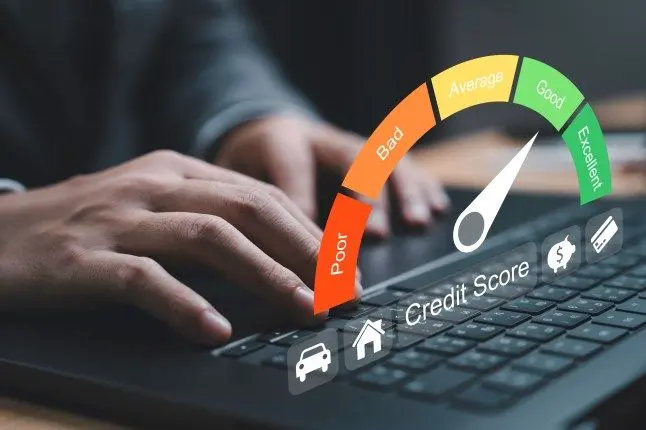
Improving your financial health starts with understanding how to manage credit effectively. Many people struggle with low or average credit scores, which can limit their ability to get loans, credit cards, or even rent a home. Learning how to improve your credit score safely is one of the most important financial skills you can develop today.
A credit score reflects your financial behavior, including how responsibly you handle debt, payments, and credit usage. If you follow the right strategies, you can gradually improve your score without taking unnecessary risks or falling into debt traps.
In this guide, you will learn how to improve your credit score safely using proven, practical methods. Whether you are a beginner or have some experience managing credit, this article will help you understand the system better and take control of your financial future.
The keyword how to improve your credit score safely will be explained step-by-step so you can apply it in real life. By the end, you will have a clear roadmap to build a strong and healthy credit profile.
What is Credit Score Improvement?
Credit score improvement refers to the process of increasing your credit score by adopting better financial habits and reducing risk factors in your credit profile. It involves managing payments, reducing debt, and maintaining responsible credit usage.
A credit score is typically calculated using factors like payment history, credit utilization, credit age, new credit inquiries, and credit mix. When these factors improve, your overall score increases.
When people search for how to improve your credit score safely, they are looking for legal, ethical, and sustainable ways to raise their score without scams or shortcuts that may harm their financial future.
Why is Improving Your Credit Score Important?

A strong credit score plays a major role in your financial life. It affects your ability to borrow money and the interest rates you receive.
Here are key reasons why it matters:
- Lower interest rates on loans and credit cards
- Higher chances of loan approval
- Better rental and housing opportunities
- Improved financial trust with banks
- Easier approval for credit limits
Understanding how to improve your credit score safely ensures that you build long-term financial stability instead of temporary fixes.
Detailed Step-by-Step Guide
Step 1: Check Your Credit Report Regularly
The first step in learning how to improve your credit score safely is reviewing your credit report. You need to know where you stand before making improvements.
Look for:
- Incorrect personal details
- Late payments you didn’t miss
- Fraudulent accounts
- Outdated information
Fixing errors can quickly improve your score.
Step 2: Pay Bills on Time
Payment history is the most important factor in your credit score. Even one late payment can negatively impact your record.
To stay consistent:
- Set reminders for due dates
- Use auto-pay when possible
- Pay at least the minimum amount
This habit is essential for how to improve your credit score safely.
Step 3: Reduce Credit Card Usage
Credit utilization refers to how much credit you use compared to your limit. Keeping it below 30% is ideal.
Example:
If your limit is 10,000, try not to use more than 3,000.
Lower usage shows responsible credit behavior.
Step 4: Avoid Unnecessary New Credit
Every time you apply for credit, a hard inquiry appears on your report. Too many inquiries can lower your score.
Be selective and only apply when necessary.
Step 5: Keep Old Accounts Active
Older credit accounts increase your credit history length, which improves your score.
Do not close old accounts unless absolutely necessary.
Step 6: Diversify Your Credit Mix
Having different types of credit, such as credit cards, loans, or installment plans, can positively impact your score.
However, only take credit you can manage responsibly.
Benefits of Improving Your Credit Score Safely
- Better loan approval chances
- Lower interest rates
- Improved financial reputation
- Higher credit limits
- Easier financial planning
- Reduced financial stress
When you follow how to improve your credit score safely, these benefits come gradually but permanently.
Disadvantages / Risks
- Requires time and patience
- Needs consistent financial discipline
- Mistakes can slow progress
- Temptation to overspend may increase
Although there are challenges, the long-term benefits outweigh the risks.
Common Mistakes to Avoid
Many people damage their credit unknowingly. Avoid these mistakes:
- Missing payment deadlines
- Maxing out credit cards
- Applying for too many loans
- Ignoring credit reports
- Closing old credit accounts
- Using credit for unnecessary expenses
Avoiding these mistakes is a key part of how to improve your credit score safely.
FAQs
1. How long does it take to improve a credit score?
It usually takes 3 to 6 months for noticeable improvements, but major changes may take longer depending on your financial habits.
2. Can I improve my credit score quickly?
There are no instant methods. Safe improvement requires consistent financial behavior over time.
3. Does checking my credit score lower it?
No, checking your own score is called a soft inquiry and does not affect your credit.
4. What is the fastest way to increase credit score safely?
Paying bills on time and reducing credit utilization are the fastest safe methods.
5. Can old debts affect my credit score?
Yes, unpaid or late debts can negatively impact your score for several years.
6. Is closing credit cards good for my score?
Not always. Closing old accounts may reduce your credit history length and lower your score.
Expert Tips & Bonus Points
Experts recommend the following strategies:
- Always pay more than the minimum amount
- Keep emergency credit usage low
- Monitor credit reports monthly
- Maintain a budget for expenses
- Avoid emotional or impulse spending
These habits support long-term success in how to improve your credit score safely.
Conclusion
Improving your credit score is not an overnight process, but it is one of the most valuable financial goals you can achieve. When you understand how to improve your credit score safely, you gain control over your financial future and open doors to better opportunities.
By following simple steps like paying bills on time, reducing credit usage, and avoiding unnecessary debt, you can steadily build a strong credit profile. The key is consistency and discipline.
Remember, credit improvement is a journey, not a race. Every positive action you take today contributes to a stronger financial foundation tomorrow. Whether you are planning to buy a home, apply for a loan, or simply improve your financial reputation, these strategies will guide you in the right direction.
Stay patient, stay consistent, and apply these methods wisely. Over time, your financial health will improve, and your credit score will reflect your responsible behavior.
