

Introduction
Managing money is one of the most important life skills, yet many people struggle with it because they never learn a clear system. This is where simple budgeting methods that actually work become essential for beginners and even intermediate learners who want better financial control. When you understand how your money flows, you can reduce stress, avoid unnecessary debt, and build long-term financial stability.
In today’s fast-moving world, expenses can easily get out of control. Without a proper plan, even a good income can feel insufficient. That is why learning simple budgeting methods that actually work is not just helpful but necessary for financial peace. These methods are designed to be practical, easy to follow, and flexible enough for different lifestyles.
Budgeting is not about restriction; it is about awareness and control. Once you understand where your money goes, you can make smarter decisions. Whether you are a student, a working professional, or managing a household, budgeting helps you align your spending with your priorities. In this article, we will explore step-by-step strategies, benefits, risks, and expert tips to help you master financial planning in a simple and realistic way.
What is Simple Budgeting?
Simple budgeting is a structured way of managing income and expenses without using complex financial tools or advanced accounting knowledge. It focuses on clarity, consistency, and practicality. The idea behind simple budgeting methods that actually work is to help individuals track money easily and make informed spending decisions.
At its core, budgeting means dividing your income into different categories such as needs, wants, savings, and debt repayment. Unlike complicated financial systems, simple budgeting focuses on everyday usability. You don’t need software or expert knowledge; just discipline and awareness are enough.
The goal is to ensure that your expenses never exceed your income. By doing so, you create a financial balance that supports both present needs and future goals. This makes budgeting a powerful tool for anyone who wants financial stability without stress.
Why is Budgeting Important?

Budgeting plays a critical role in achieving financial freedom. Without it, people often lose track of their spending and end up facing financial pressure. Simple budgeting methods that actually work help you stay organized and in control of your money.
One of the biggest reasons budgeting is important is that it prevents overspending. When you know exactly how much you can spend, you avoid unnecessary purchases. This leads to better savings and reduced financial anxiety.
Another important reason is goal achievement. Whether you want to buy a car, save for education, or build an emergency fund, budgeting helps you reach these goals step by step. It turns dreams into achievable plans.
Budgeting also improves decision-making. When you track your money, you become more aware of your habits. This awareness helps you identify wasteful spending and redirect funds toward more meaningful purposes.
Detailed Step-by-Step Guide
Step 1: Calculate Your Total Income
The first step is understanding how much money you earn. This includes salary, freelance income, or any other source. Knowing your total income gives you a clear starting point.
Step 2: List All Expenses
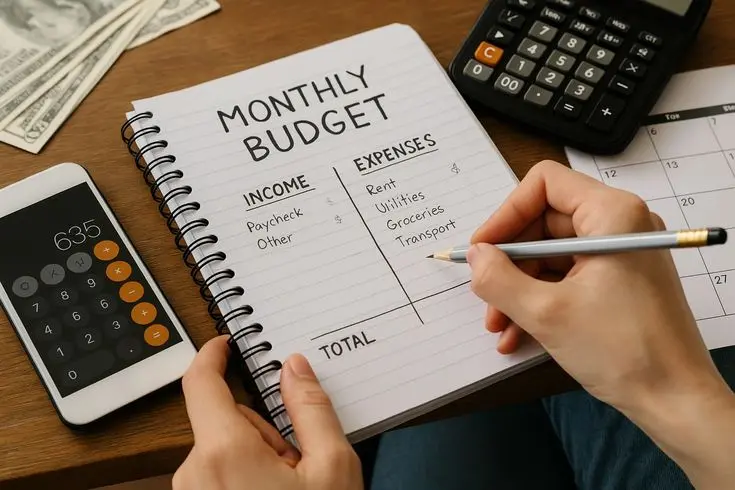
Write down all your monthly expenses, including rent, utilities, food, transport, and entertainment. This helps you see where your money is going.
Step 3: Categorize Spending
Divide your expenses into categories such as needs, wants, and savings. This is one of the most effective simple budgeting methods that actually work because it creates clarity.
Step 4: Set Spending Limits
Assign a fixed amount to each category. Make sure your total expenses are less than your income so you can save money.
Step 5: Track Daily Spending
Keep a record of your daily expenses. This helps you stay disciplined and avoid overspending.
Step 6: Review and Adjust Monthly
At the end of each month, review your budget. Adjust categories if needed to improve financial balance.
Benefits of Simple Budgeting Methods That Actually Work
- Helps you gain full control over your finances
- Reduces financial stress and anxiety
- Encourages better saving habits
- Prevents unnecessary debt accumulation
- Improves financial discipline
- Helps achieve short-term and long-term goals
- Increases awareness of spending habits
- Builds emergency savings effectively
Disadvantages / Risks
- Requires consistent discipline and tracking
- May feel restrictive at first
- Unexpected expenses can disrupt plans
- Requires regular updates for accuracy
- Not suitable for extremely irregular income without adjustments
- Over-simplification may ignore complex financial situations
Common Mistakes to Avoid
One of the most common mistakes is not tracking small expenses. Even minor daily spending can add up and disturb your budget.
Another mistake is setting unrealistic limits. If your budget is too strict, it becomes difficult to follow and may lead to failure.
Many people also forget to update their budget regularly. Life changes, and your budget should change with it.
Ignoring emergency funds is another serious mistake. Unexpected expenses can break your financial plan if you are not prepared.
Lastly, not reviewing progress reduces effectiveness. Without evaluation, you cannot improve your budgeting strategy.
FAQs
1. What are simple budgeting methods that actually work?
These are easy financial strategies that help you manage income and expenses effectively without complex tools.
2. Can beginners use budgeting methods easily?
Yes, these methods are designed specifically for beginners and require no advanced financial knowledge.
3. How long does it take to see results?
Most people notice improvement within one to two months of consistent budgeting.
4. Do I need apps for budgeting?
No, you can start with pen and paper. Apps are optional and not required.
5. What if my income is irregular?
You can adjust your budget monthly based on your average income and prioritize essential expenses.
6. Why do most budgets fail?
They fail due to lack of discipline, unrealistic planning, and poor tracking habits.
Expert Tips & Bonus Points
Experts recommend starting small and staying consistent rather than trying complex systems. One of the best simple budgeting methods that actually work is the 50/30/20 rule, where 50% of income goes to needs, 30% to wants, and 20% to savings.
Another important tip is to automate savings. Setting automatic transfers ensures you save before spending.
It is also helpful to separate accounts for spending and savings. This reduces the temptation to overspend.
Always prepare for unexpected expenses by building an emergency fund. Even a small amount saved regularly can make a big difference over time.
Finally, review your financial goals every few months. This keeps you motivated and focused on long-term success.
Conclusion
Managing money effectively is not about earning more but about using what you have wisely. Simple budgeting methods that actually work provide a practical and realistic way to take control of your finances without stress or confusion. When applied correctly, these methods help you build financial stability, reduce debt, and achieve your personal goals step by step.
The key to successful budgeting is consistency. You don’t need to be perfect; you just need to stay committed. Small improvements in your daily financial habits can lead to significant long-term results. By tracking your expenses, setting limits, and reviewing your progress regularly, you create a strong foundation for financial success.
Remember, budgeting is not a one-time activity. It is an ongoing process that evolves with your lifestyle and goals. The earlier you start, the more control you gain over your financial future. Whether you are saving for something big or simply trying to avoid overspending, these methods can guide you toward a more secure and stress-free life.
