

Introduction
AI is changing the way people search and consume information online, and this shift is directly impacting website owners and digital marketers, especially those who create Tech Guides for online audiences. One of the biggest changes is how AI-generated summaries, often called AI overviews, appear on search engines and answer user queries instantly. These AI overviews reduce the need for users to click on multiple websites, which significantly influences organic traffic patterns. Understanding how ai overviews affect website traffic is now essential for anyone working in SEO, blogging, or digital marketing, particularly those publishing Tech Guides and informational content.
In simple terms, AI overviews provide quick answers at the top of search results, often pulling information from multiple sources, including Tech Guides and educational blogs. While this improves user experience, it also means fewer clicks to individual websites. Many website owners are noticing traffic drops, even if their rankings remain stable. This creates a new challenge where visibility does not always guarantee visits. To stay competitive, it is important to understand how these systems work and how they reshape search behavior.
This article explains everything in detail, including what AI overviews are, why they matter, their impact on SEO, and practical strategies to adapt and maintain traffic growth in this evolving digital landscape.
What is AI Overview?
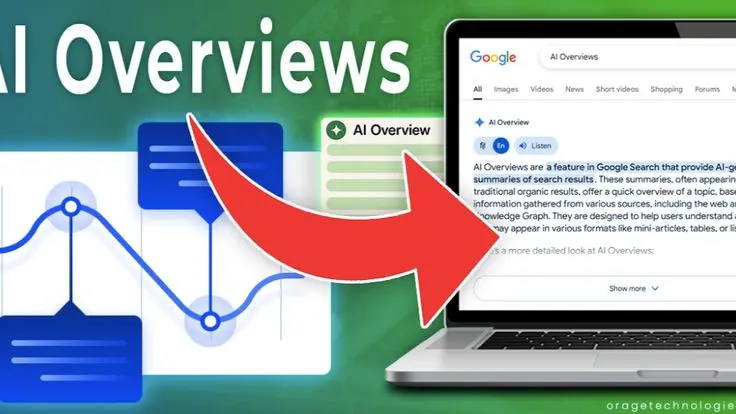
AI overview refers to an artificial intelligence-generated summary that appears at the top of search engine results pages. It compiles information from multiple trusted sources and presents a direct answer to user queries. Instead of clicking through different websites, users often get the information instantly within the search page itself.
These AI systems use advanced language models to understand search intent and deliver concise responses. They aim to save time and improve search accuracy. However, because users receive answers immediately, the number of clicks to websites can decrease significantly.
AI overviews are designed to improve user experience, but they also reshape how content is consumed online. Websites that once relied heavily on organic traffic must now compete with summarized content displayed directly in search results. This shift has created a new SEO environment where visibility alone is not enough; engagement and authority matter more than ever.
Why is AI Overview Important?

AI overviews play a major role in modern search engines because they redefine how information is accessed. Instead of browsing multiple pages, users now receive quick and structured answers. This improves efficiency and satisfaction for users, especially for informational queries.
From a business perspective, AI overviews are important because they influence traffic distribution across the internet. Websites that are not included in AI summaries may experience reduced visibility and fewer clicks. On the other hand, being featured in AI-generated responses can increase brand authority and trust.
Another reason AI overviews are important is their impact on SEO strategies. Traditional keyword-based optimization is no longer enough. Search engines now prioritize context, relevance, and content quality over simple ranking positions. This forces marketers to rethink how they create and structure content.
Understanding how ai overviews affect website traffic helps businesses adapt early and avoid sudden drops in organic performance.
Detailed Step-by-Step Guide
Step 1: Understand Search Intent Changes
Search engines now focus more on understanding what users truly want rather than matching exact keywords. This means content must address deeper intent behind queries.
Step 2: Analyze AI Overview Presence
Check which keywords trigger AI overviews. These are often informational queries like “how to,” “what is,” or “why does.”
Step 3: Optimize Content Structure
Well-structured content is more likely to be used in AI summaries. Use clear headings, simple explanations, and factual accuracy.
Step 4: Focus on Authority Content
Websites with strong expertise and credibility are more likely to be referenced by AI systems. Building trust is crucial.
Step 5: Improve Engagement Metrics
Even if AI reduces clicks, engagement becomes important. Time on site, bounce rate, and user satisfaction signals still matter.
Step 6: Diversify Traffic Sources
Relying only on organic search is risky. Use social media, email marketing, and referral traffic to balance losses.
Step 7: Update Old Content Regularly
Fresh and updated content has a better chance of being included in AI-generated summaries.
Benefits of AI Overviews
- Provides faster answers to users, improving search experience
- Increases visibility for high-quality content sources
- Helps establish authority for trustworthy websites
- Reduces information overload for users
- Encourages better structured and clear content creation
- Improves search efficiency and user satisfaction
- Supports mobile users with quick responses
- Enhances knowledge accessibility for general audiences
Disadvantages / Risks
- Reduces website traffic due to fewer clicks
- Limits visibility for smaller websites
- Increases competition for AI inclusion
- Can reduce ad revenue for publishers
- Makes SEO performance less predictable
- Over-reliance on AI summaries may hurt content diversity
- Some websites may lose branding exposure
- Harder for new websites to gain organic traction
Common Mistakes to Avoid
One common mistake is ignoring AI-driven changes in search behavior. Many website owners continue using outdated SEO strategies without adapting to AI overviews.
Another mistake is focusing only on keywords instead of content quality. AI systems prioritize context and relevance over keyword density.
Some creators also fail to update their old content, which reduces chances of being included in AI summaries. Outdated information is less likely to be selected by search engines.
Ignoring user experience is another major issue. Websites that are slow or poorly structured lose engagement, even if they rank well.
Finally, relying only on Google traffic is risky in the AI era. Diversification is essential for long-term stability.
FAQs
1. How do AI overviews affect website traffic?
AI overviews reduce the need for users to click on websites because answers are shown directly in search results, which can lower organic traffic.
2. Do AI overviews hurt SEO rankings?
Not directly, but they can reduce click-through rates even if rankings remain stable.
3. Can websites still benefit from AI overviews?
Yes, if content is high quality, websites may be referenced, increasing authority and trust.
4. Which types of content are most affected?
Informational and educational content is most affected because AI can easily summarize it.
5. How can I protect my website traffic?
Focus on strong branding, quality content, and diversify traffic sources beyond search engines.
6. Are AI overviews permanent in search engines?
They are becoming a long-term feature as search engines continue to integrate AI technology.
Expert Tips & Bonus Points
One important tip is to write content that cannot be easily replaced by a short summary. Adding personal insights, case studies, and deeper analysis increases value.
Another strategy is to focus on niche topics where AI summaries may not fully satisfy user intent. This increases the chances of clicks.
Improving E-E-A-T (Experience, Expertise, Authority, Trust) signals also helps websites stay competitive.
Using structured formatting such as clear headings and short paragraphs increases the chance of being featured in AI responses.
Monitoring search performance regularly helps identify which pages are losing traffic due to AI overviews.
Conclusion
AI overviews are transforming the digital search landscape in a major way. While they improve user experience by delivering instant answers, they also create challenges for website owners who rely on organic traffic. Understanding how ai overviews affect website traffic is essential for adapting to this new environment.
Websites must now focus more on content quality, authority, and user engagement rather than just rankings. The shift toward AI-driven search means that traditional SEO strategies are no longer enough on their own. Instead, a balanced approach that includes strong branding, diversified traffic sources, and high-value content is necessary.
In the long run, websites that adapt to these changes will continue to grow, while those that rely only on old SEO methods may struggle. AI overviews are not just a trend; they represent a major evolution in how information is delivered online, and adapting early is the key to staying ahead.
